Inquiry
Search...
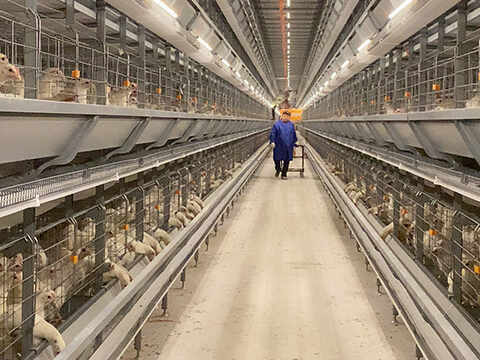
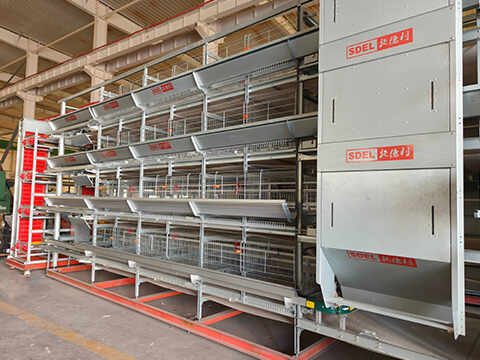
So, you've got this fancy automatic broiler cage system. The equipment is advanced, but to really make it work, you've gotta nail the details. Get these eight things right, and you'll see your success rate shoot up.
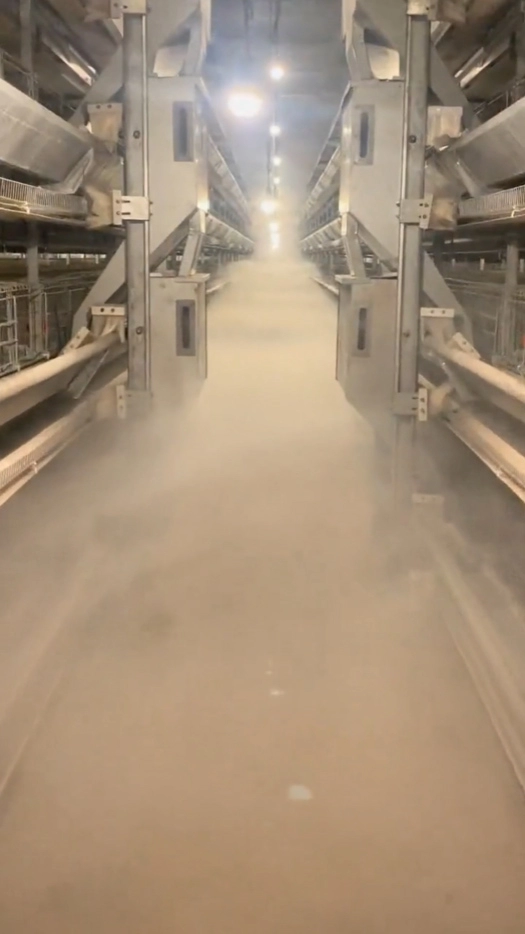
Thoroughly clean the house 5 days before the chicks arrive. Nowadays, it's recommended to use efficient and safer disinfectants like potassium peroxymonosulfate (e.g., Virkon) or glutaraldehyde, which are less corrosive to equipment. For fumigation, aerosolized hydrogen peroxide is a safer bet than old-school formaldehyde.
The real key is building a "firewall": strictly separate production and living areas, have a disinfection for entry, and try to keep trucks (feed, bedding) out. The whole point is to stop outside germs from getting in. Keep disinfecting with the birds in the house, and remember to rotate a few different disinfectants.
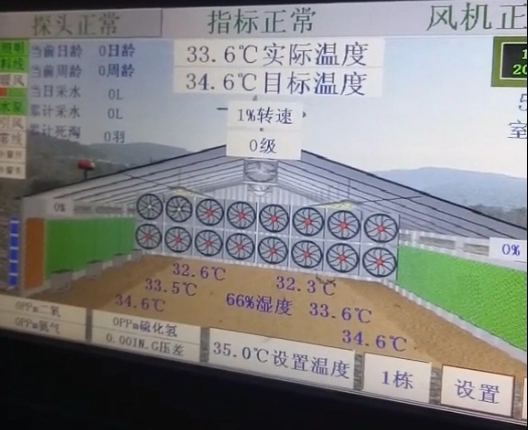
There's always a temperature difference between the layers, especially in winter. The key is to adjust based on how the birds behave, not just a number on a gauge:
When it gets crowded, you gotta split them up. If you don't, the big ones get bigger and the small ones get left behind.
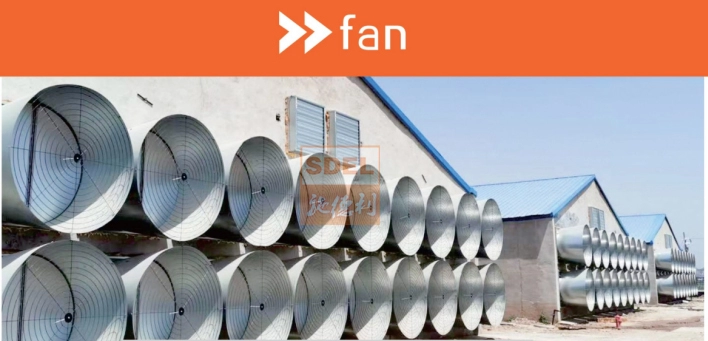
Ventilation is the top priority! Good ventilation removes ammonia, keeps things dry, and prevents colds.
The most advanced equipment won't raise the chickens for you. The operator is the most important part:
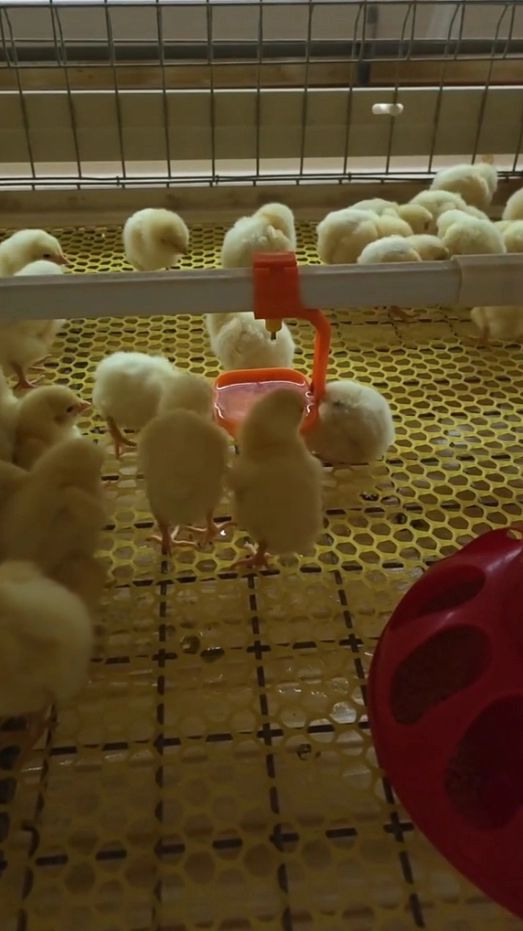
Chicks must get a drink within 2 hours of arrival. Adjust the water line height constantly—the ideal drinking angle is about 45 degrees. Get the water pressure right:
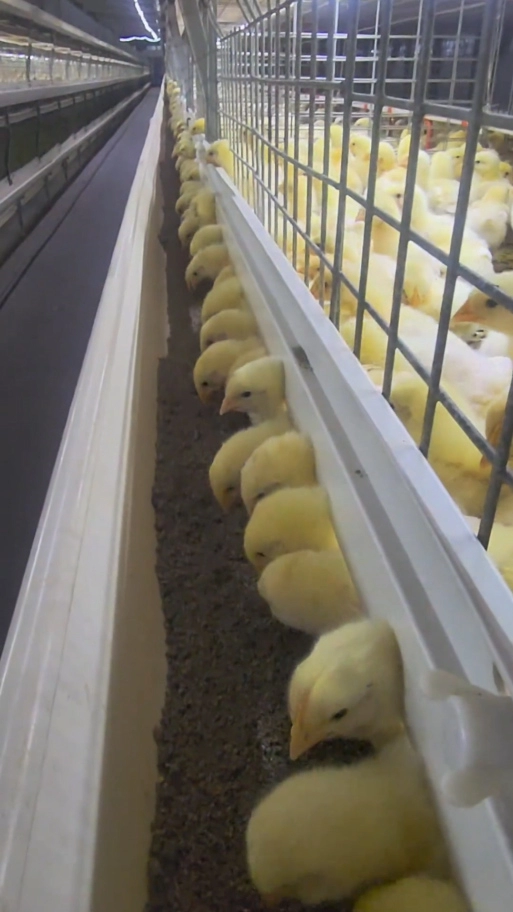
Stick to "Water first, then feed." Use feed trays for the first few days, then switch to automatic lines. Set them for "little and often" to prevent feed from sitting around and molding. Some feed restriction early on helps develop the digestive system and improves immunity later. Watch them at feeding time; adding feed just as it's about to run out stimulates their appetite.
Use strong light for the first 3 days (24 hours) so chicks find food and water. After that, you can gradually reduce light hours or use intermittent lighting (e.g., 1 hour on, 2 hours off). This gives the birds plenty of rest, leads to stronger legs, and doesn't hurt growth. Gradually increase light again the last week before processing.
Poultry farming is hard work, and it's all about the details. Modern equipment saves us a lot of labor, but in the end, it still depends on people being diligent. Master these eight points, adapt them flexibly to your own farm's situation, and you'll definitely raise good chickens.
Hope these practical tips help everyone out! Feel free to chat and share your own experiences.
Henan Sdeley Machinery Equipment Co., Ltd. is a wholly-owned subsidiary of the OUP Group, located in the Sdeley Industrial Park in Anyang City, a thousand-year-old ancient capital. The company has a total investment of 100 million yuan, covering an area of 1,000,000 square meters.